

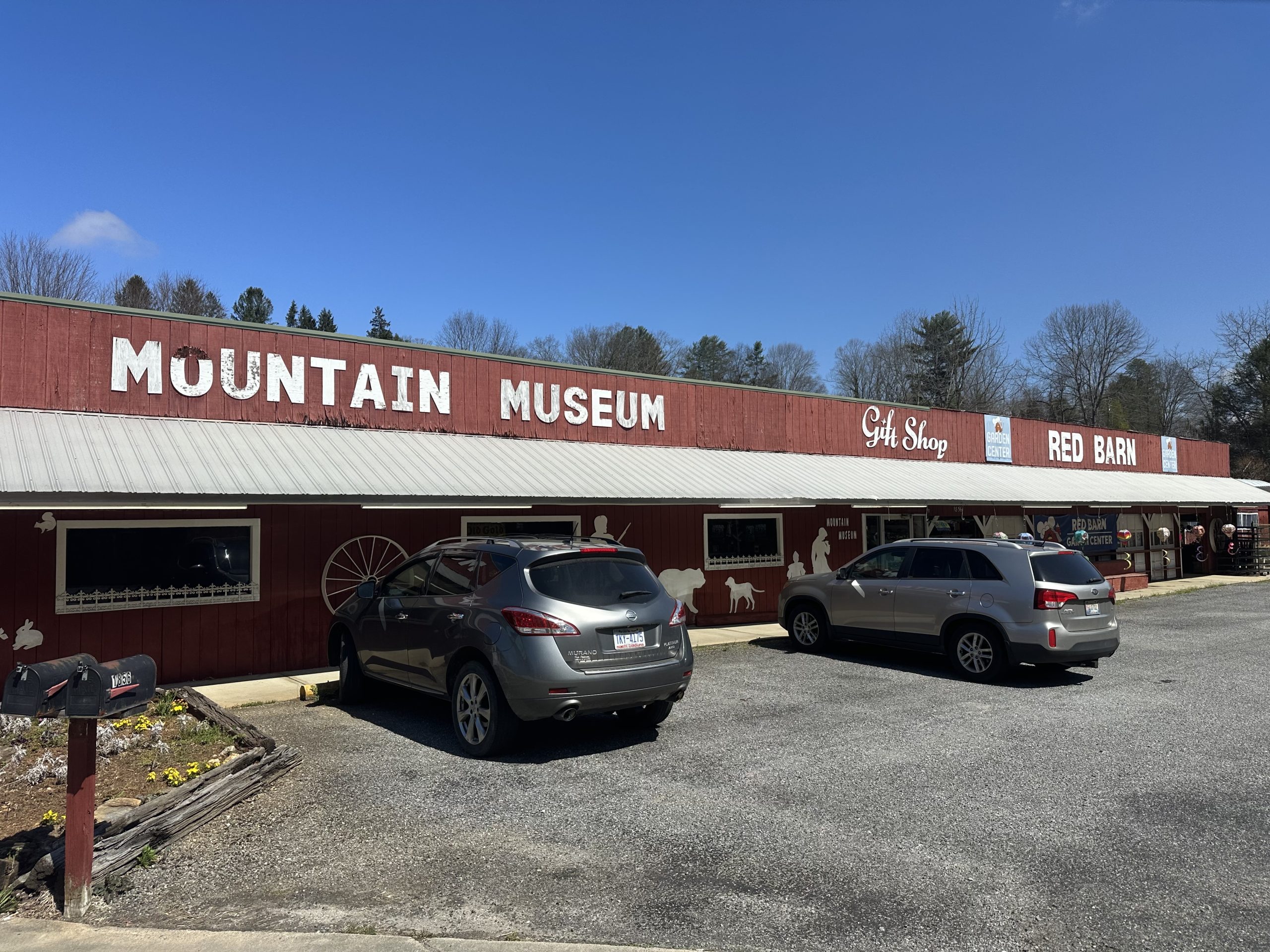
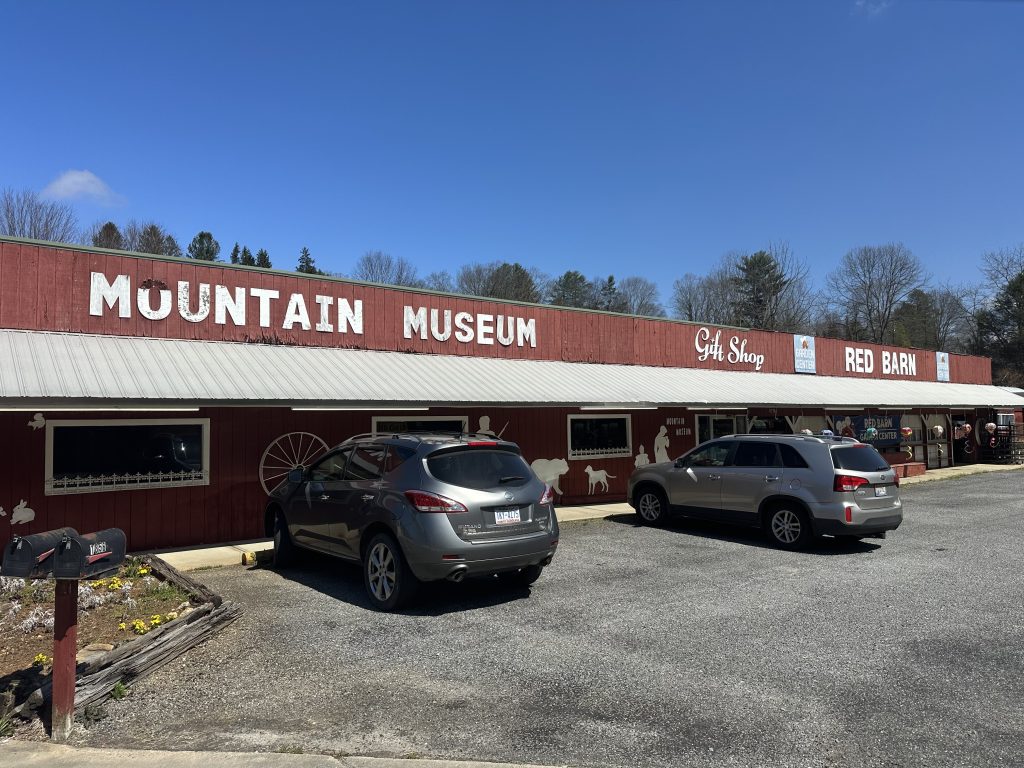
Red Barn Museum owner Karen Collis spent five months cleaning mud and mold from artifacts after Helene flooded the museum.
HAYWOOD COUNTY, N.C. (Smokies.LIVE Adventure Center) — When Helene’s floodwaters tore through a Haywood County museum, Karen Collis knew she had to act quickly.
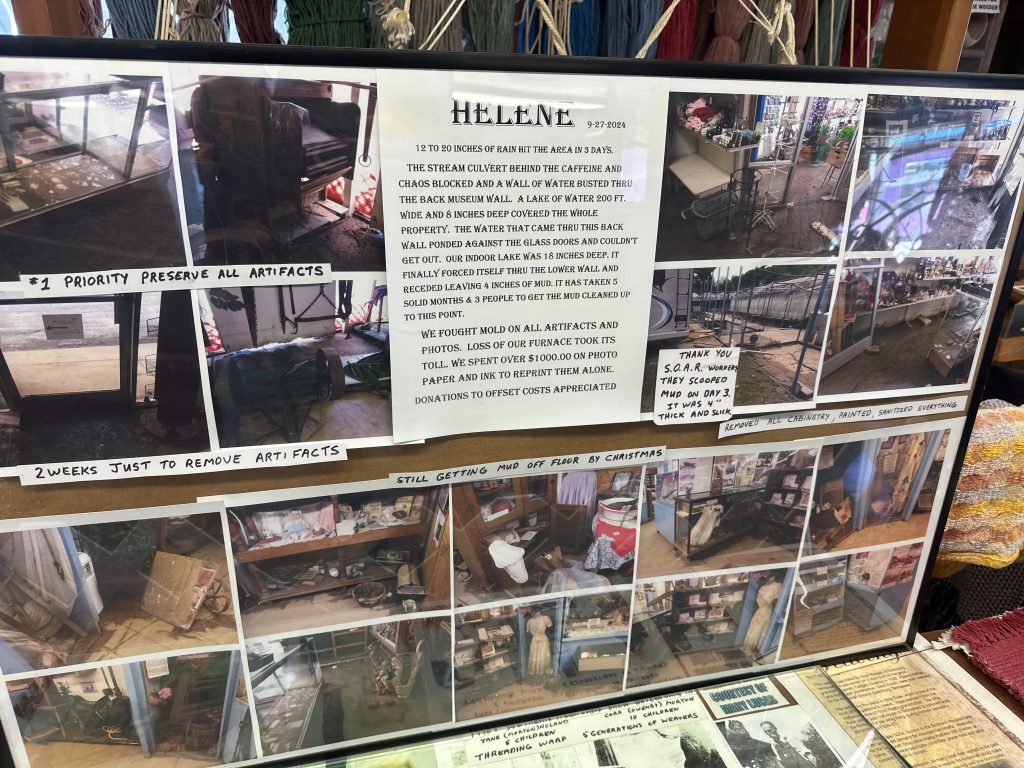
Collis, the owner of the Red Barn Museum and Garden Center, watched as floodwaters from a nearby creek pushed through the museum, leaving knee-deep water and about 4 inches of mud behind.
The damage threatened a collection she has spent decades building — pieces of mountain life meant to tell the story of how generations before them lived, worked and survived.
“The creek hit the back wall and washed the entire creek into this room,” Collis said. “It couldn’t get out the glass doors and ponded up before it busted through the wall and went out.”
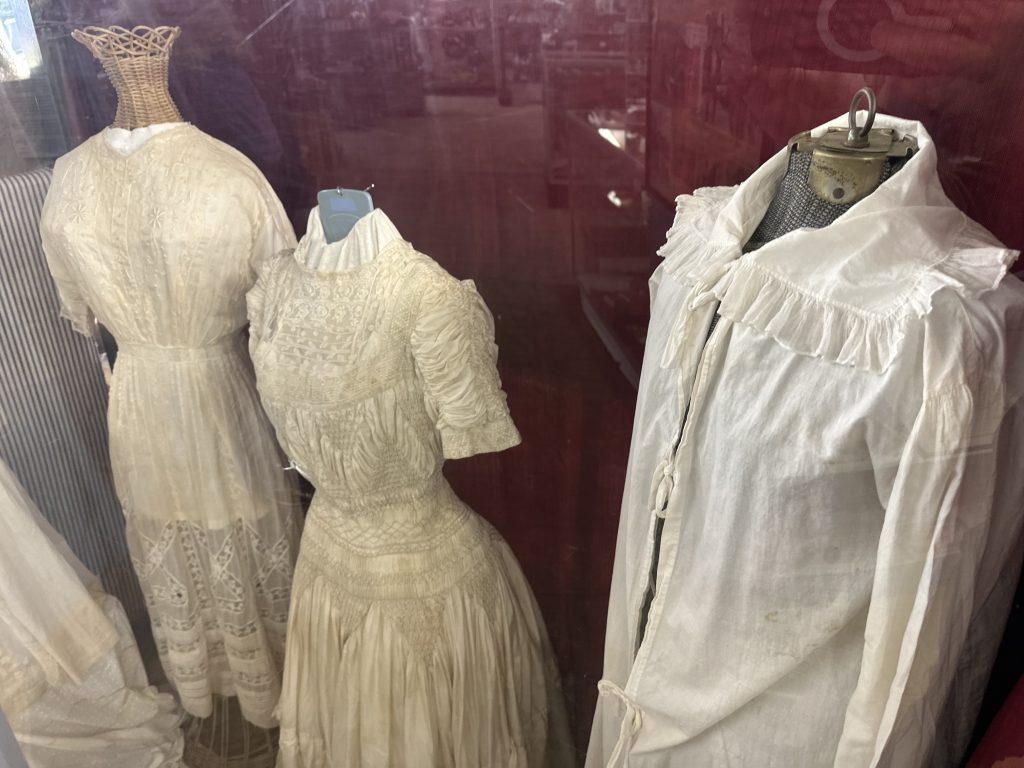
Among the items she rushed to save was an antique dress dating to between 1885 and 1905.
The dress had been found years earlier at a Goodwill store in Asheville, where it arrived in an old trunk of clothing. One of Collis’ relatives recognized its age and value and donated it to the museum.
When Helene flooded the building, the dress had mud up to the knees.
“That was one of the first things I got out when we flooded with Helene,” Collis said.
The dress survived, although it still carries some stains from the flood.
Other clothing in the collection includes a dress from the 1910s or 1920s and a baby christening dress — an item Collis says is among the most commonly preserved pieces passed down through families.
But saving the artifacts was only the beginning.
It took about five months to restore the museum to a point where visitors could return. Mud had to be removed, artifacts had to be cleaned and items threatened by mold required painstaking treatment.
Collis said some leather artifacts required hundreds of hours of cleaning just to reduce mold spores enough to safely return them to the museum.
A miniature golf area was even used as a temporary clean room during the recovery.
The cleanup continued for months, with the last of the mud not removed until around Christmas. Restoration work continued through January, February and March.
The flood also damaged photographs and displays throughout the museum. Many of the pictures and written stories had to be reprinted.
Collis acknowledges the museum isn’t exactly as it was before Helene.
“We lost a few good things, that’s for sure,” she said.
Still, much of the history survived.
For Collis, preserving that history is about more than keeping old objects behind glass. She wants visitors to understand what life was like for the people who came before them.
She tells stories passed down through her family, including tales she learned from her grandfather, to help bring the artifacts to life.
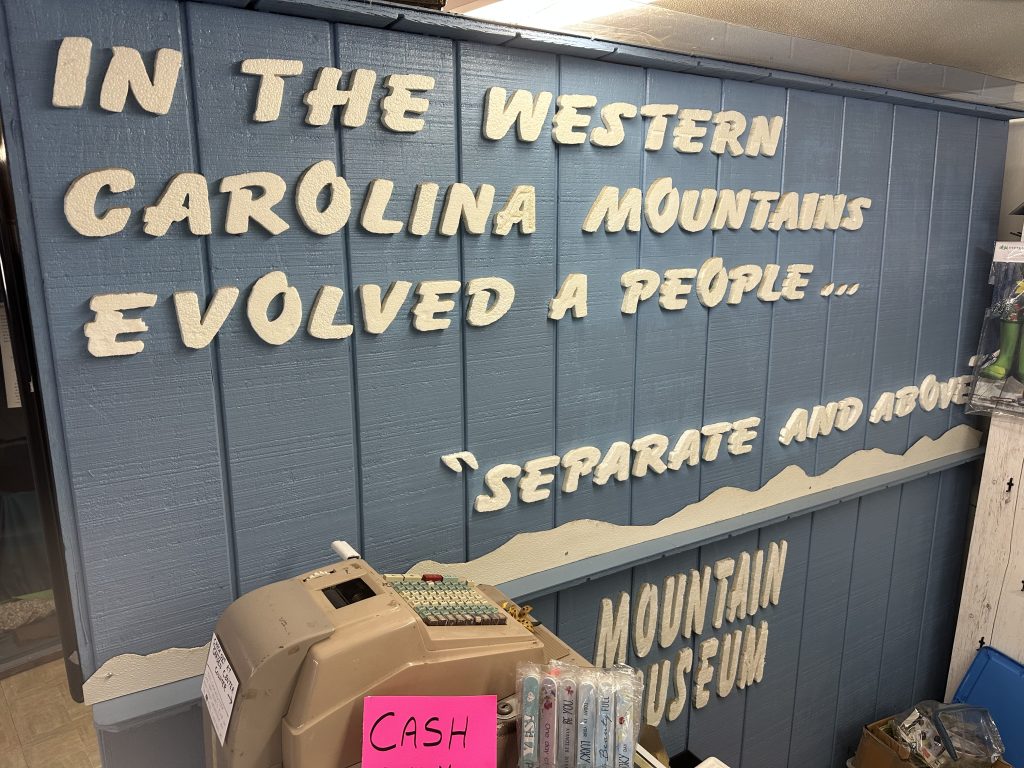
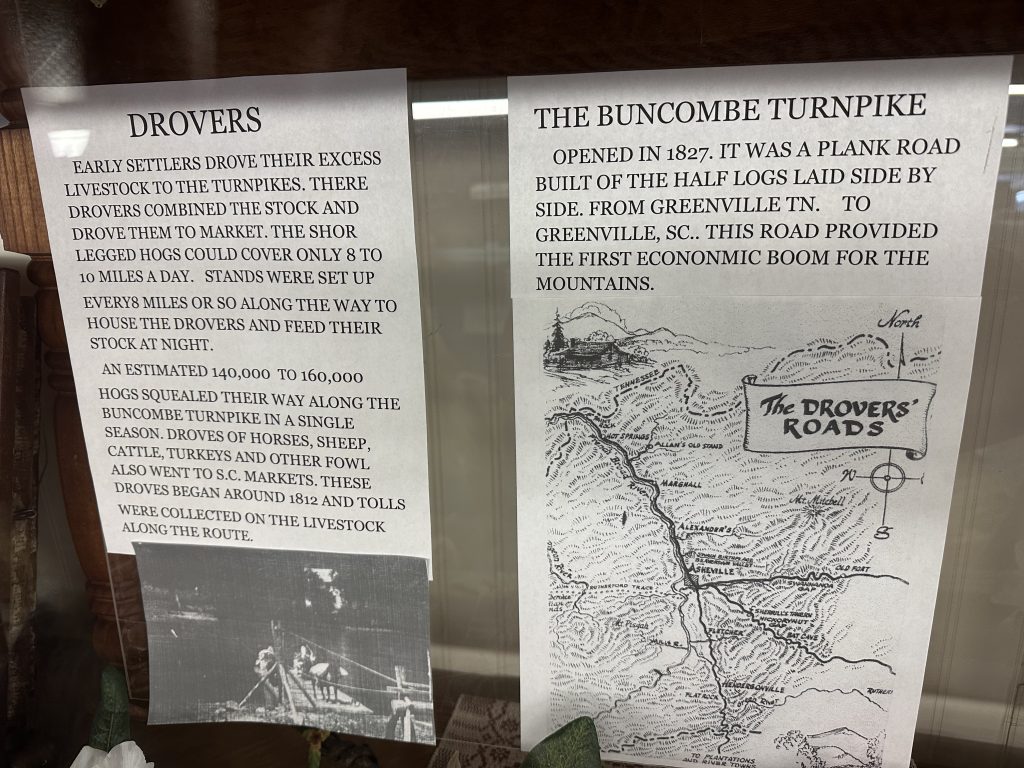
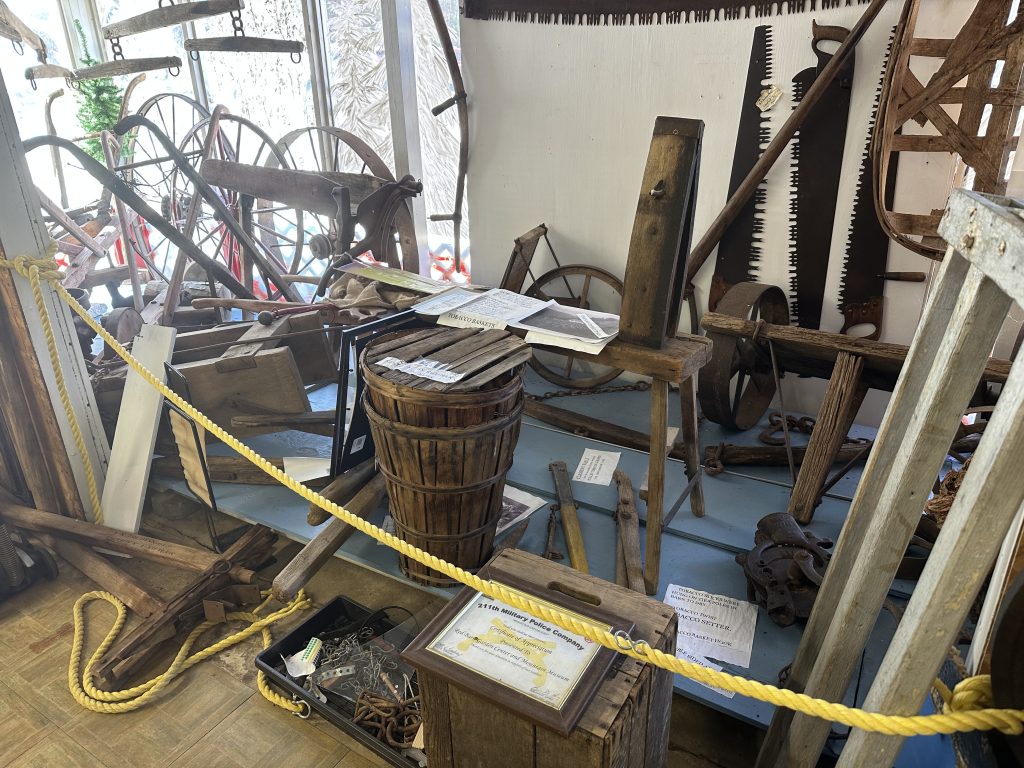
She talks about a time when the mountains were covered in virgin timber, when roads often ran alongside creeks and wagons could have two wheels in the water and two on the bank.
She explains how difficult it was to clear land, grow food and survive without the modern conveniences people have today.
“You had to clear new ground every five years in order to have enough production to survive on,” Collis said.
Those lessons are often what visitors remember most.
“The most common thing they come up with is people really had it hard back then,” Collis said. “It puts them in mind of what it was like in a simpler time and what it was like that these people had to fight for to survive.”
The Red Barn Museum has been a part of Collis’ life for decades.
She started her greenhouse business in 1973, moved to the property in 1983 and established the garden center. She opened the museum in 2000.
Visitors have continued to make the museum part of their trips through the mountains, with some returning year after year.
Collis said she especially enjoys when older family members visit with younger generations and an artifact sparks a memory.
“They’ll see something that’ll trigger a story in their family, so that they can relate that story to the younger generations and pass things on that way,” she said. “That makes a big impact too.”
That mission took on even greater meaning after Helene.
The flood damaged the building, destroyed some artifacts and forced Collis to spend months rebuilding what she could.
But the stories remain.
And so do many of the objects that help tell them.
For Collis, saving those pieces of the past is a way of making sure future generations can still see, touch and understand the history of the mountains — even after a flood tried to wash it away.
One response
I pray they never have another one