

For Kilpatrick, the business was never just a place to work. It was home.
He and his brother grew up on the property, playing near the river and watching the farm develop from a modest roadside market into a destination for visitors traveling to the Great Smoky Mountains National Park.
The original plan was to operate seasonally, opening during apple harvest and the fall foliage season before closing once the fruit was sold.
That changed in 1987, when the family opened the Applewood Farmhouse Restaurant in the renovated farmhouse, turning the operation into a year-round business.
The restaurant’s opening marked a turning point for the family and the surrounding tourism corridor, where many businesses once operated primarily during the busiest travel seasons.
Even before the restaurant opened, however, the family was discovering that visitors wanted more than a bag of apples to take home.
Customers buying cider by the half-gallon or gallon began asking for a glass to enjoy along the riverbank. Kilpatrick’s mother would run to the house for cups, creating an impromptu tasting experience that eventually developed into the cider-tasting bar visitors know today.
The family also began experimenting with cider production using an old-fashioned, five-gallon hand press in the yard.
From those early batches came a recipe that remains central to the business.
Kilpatrick said his father developed what he calls a “sweet tart aromatic blend,” balancing sweet apples with tart varieties and adding Red Delicious apples for their aroma and juice.
Fifty years later, that blend remains the foundation of the family’s fresh apple cider, as well as its apple wines and hard ciders.
Today, the operation produces approximately 100,000 gallons of cider annually, running production throughout the year.
The family does not import apples for its cider production. Instead, it uses fruit grown on the farm and purchases whole apples from local growers, helping make use of fruit that might otherwise go unsold.
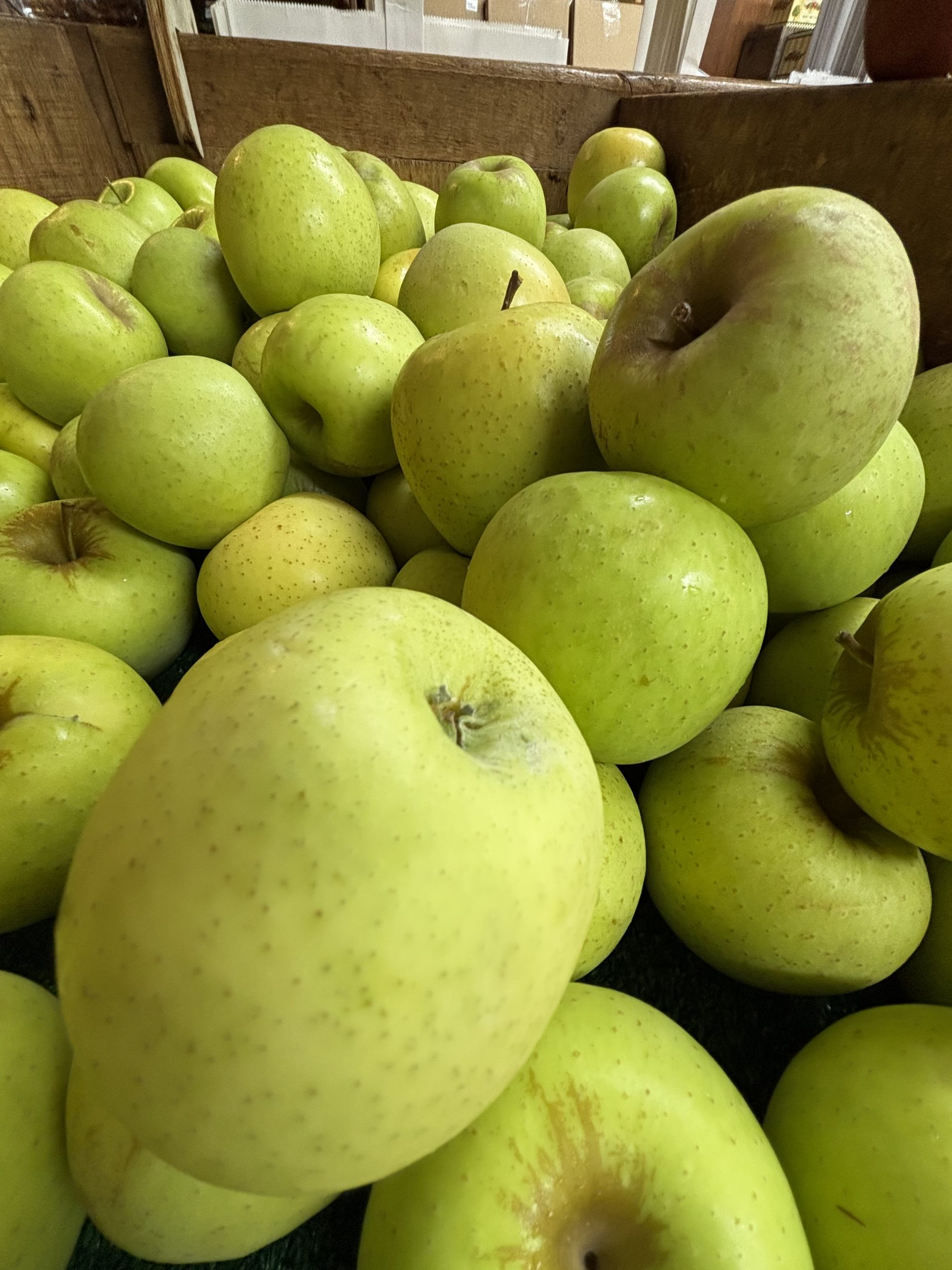
Larger apples can be sold fresh, smaller or misshapen fruit can go into cider, and other apples find their way into the candy shop, where they are dipped in caramel or made into candy apples.
For Kilpatrick, that approach reflects the same practical thinking that helped the business survive its earliest years: find a purpose for the harvest and make the most of what the farm produces.

The next generation takes the reins
Now, as the Apple Barn celebrates its 50th anniversary, Kilpatrick and his brother, Kevin, are carrying that legacy forward.
They grew up learning the rhythms of the farm, from pruning trees and working with tractors to harvesting apples and understanding how each part of the operation fits together.
Today, they are raising children of their own on the family property, giving the next generation an opportunity to experience the same landscape and traditions that shaped their childhoods.
Kilpatrick has three young daughters, and his brother has a daughter. Their presence has renewed the importance of telling the family’s story and preserving the farm’s working character.
That includes the details visitors might not expect to find at a tourism destination.
The orchard continues to use tractors, ladders and pruning equipment as part of its everyday work. A trained stock dog helps humanely move geese away from the orchard, using the natural relationship between predator and prey without harming the birds.
Those practices will be among the experiences showcased during the family’s Apple Festival, giving visitors an opportunity to learn how apples are grown and what it takes to turn them into the products sold in the market.
Hay-wagon tours will take visitors through the orchard, with Kilpatrick and other tractor operators sharing information about the trees, growing practices and history of the property.
The tours also will pass historic farm structures, including an old tobacco barn that now houses part of the operation’s warehouse and cooling facilities.
For Kilpatrick, those are not simply old buildings or routine farm chores. They are pieces of a family story that he wants visitors to understand.
READ ON –

No responses yet