

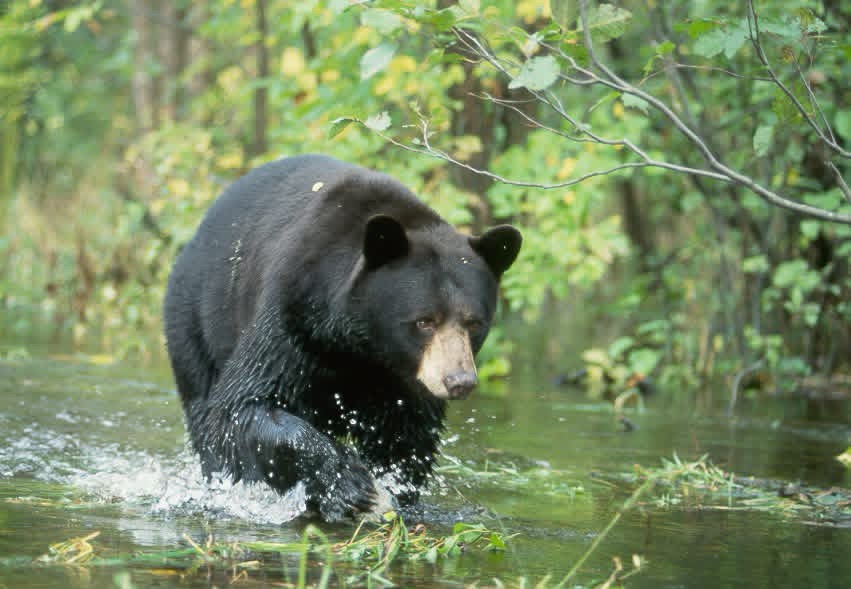
Bears can consume more than 20,000 calories a day during hyperphagia, making food safety especially important for fall visitors.
GATLINBURG, Tenn. (Smokies.LIVE Adventure Center) — As fall settles into the Great Smoky Mountains, black bears are entering a critical period of feeding as they prepare for the colder months ahead.
Known as hyperphagia, this period drives bears to eat large amounts of food to build the fat reserves they need to survive winter. Black bears can consume more than 20,000 calories a day and spend nearly 20 hours searching for food.
That search can lead bears to natural food sources, such as berry bushes and acorns, but it can also bring them into contact with people when food is left unsecured in backpacks, vehicles, campsites or other outdoor areas.
For visitors exploring the forest this fall, bear safety begins with keeping food and scented items out of reach and giving wildlife plenty of space.
BearWise, an organization that promotes responsible coexistence with bears, offers several recommendations for people spending time outdoors:
- Never feed bears. Feeding wildlife can encourage bears to associate people with food.
- Secure food and trash. Store food properly and keep garbage contained to avoid attracting bears to campsites and other outdoor areas.
- Keep your distance. Never approach a bear for a photo or attempt to get closer to observe it.
- Stay alert on trails. Pay attention to your surroundings and give bears an opportunity to move away.
- Keep pets under control. Use a leash where required and avoid allowing pets to approach wildlife.
If you encounter a black bear, remain calm, do not run and give the animal plenty of room to leave. Never approach, surround or attempt to feed it.
Fall is a popular time to explore the Smokies, and understanding bear behavior can help visitors enjoy the mountains while protecting the wildlife that calls the forest home.
For more information, visit BearWise at https://bearwise.org.

No responses yet